Tuesday, December 3, 2013

Kidney Chains and Links

Today marks five weeks since my father and I were wheeled into surgery at UCLA Ronald Reagan Medical Center, a memorable moment in the indelible experience of our kidney journeys.  Yesterday, both my father and I joined an auditorium of grateful kidney recipients and equally grateful donors to celebrate the 100th recipient in UCLA's program, launched in 2007.

We heard from the dedicated physicians and coordinator who have made this process their life mission to those who participated in the exchange. One young man whose father died during his transplant surgery went ahead with donating his kidney to save another.  A young woman who was the very first recipient celebrated with her father who was saved by her brave act.  A group of altruistic donors who had donated without a prior connection to a loved one or family member recieved awards.  We watched a screening of a documentary about paired exchange, "The Chain." Everyone in the room had a personal link to what we watched transpire on screen.

After the screening, I spoke with  Karen Willis, an altruistic donor whose selfless act started the chain described in the film, and her recipient, Joe whose ex-wife had donated her kidney as part of the exchange. I shared with Karen that as I faced my fears before my surgery last month, watching Karen describe her unwavering commitment to help a stranger propelled me forward in my journey.

Our coordinator Suzanne McGuire handed my father a letter from his donor, another altruistic donor in Michigan who was inspired to donate a kidney to save a life.  The young mother and my father have since spoken, shared family photos and stories, and an eternal bond. 

As my brother noted, she is now part of our family.

The almost hundred people who were part of a paired exchange and the tens of thousands across the country who have donated or received a kidney as part of this remarkable process share something much bigger than our individual chains.  We are linked in a way that words cannot describe.

Hillary Clinton once remarked, "It takes a village." 

My dad, brother and me, May 2013

Much love,

Beth

To read about Karen's experience and watch "The Chain," follow the link below:


http://www.takepart.com/article/2013/05/13/how-to-donate-a-kidney

Thursday, October 24, 2013

Kidney Transplant Chains: The Story of a Father and Daughter

My dad and Me, 2009

October 29, I will be donating one of my kidneys to a recipient in Virginia. A few hours later, my dad will receive a working kidney from a donor in Illinois. Through the miracle of paired donor exchange, thousands of patients in End Stage Renal Disease are able to receive a live kidney

As of last year, over 93,000 kidney patients were on the waiting list to receive a kidney. Approximately 2,000 patients are added to the waitlist each month. Average wait times to receive a cadaver kidney may be from three to ten years. In the US, approximately 6,000 people donate a living kidney per year.

For patients with ESRD and other medical issues, a transplant is the only way to avoid dialysis, a time-intensive procedure in which kidneys are filtered several times a week. Patients on dialysis risk infections and have a lower life expectancy than those who undergo transplant.

When my father was told he needed a kidney transplant to avoid dialysis, we got to work. I set up a Facebook page looking for donors. My brother started the fairly intensive screening process but was unable to donate. I was next at bat.

Essentially, living donors must be healthy, between the ages of 18 and 70, and have decided to donate on his or her own accord. Donors must not have elevated blood pressure, cardiovascular disease, diabetes, HIV, or Hepatitis-C, and, of course, healthy, viable kidneys. Donors undergo a psych eval to ensure the donor is not being coerced or pressured into donating. Following several extensive medical work ups, including CT Scans, blood work, and a stress test, the donor may or may not be cleared to donate.

The second piece of kidney donation is blood or tissue typing and crossmatch. Certain blood or tissue types may donate or receive kidneys from a pool of other types. For example, those with AB blood type are a universal recipient. Crossmatching checks blood types and other factors, such as Rh. O is the universal donor. For my dad, type B, he could only receive from a donor with O or B blood types. Neither my brother nor I had a compatible blood type with our father.

Since I could not donate directly to my father, we were added to several donor exchange networks. Transplant centers throughout the country place patients without donors or with incompatible donors and non-directed altruistic donors on this list. (An altruistic donor is someone with no connection to any of the recipients.)

Thankfully, in short time, we had a chain of three pairs through the computer generated match up. When one patient in the first chain fell through, we luckily were placed in a chain of two pairs.

So, around 2 pm on Tuesday afternoon, I will be wheeled into the operating room at UCLA to donate one of my kidneys through a laproscopic procedure. My kidney will be flown to Virginia where my receipient will undergo transplant surgery. A donor in Illinois will undergo surgery in the morning. That kidney will be flown to LA where my dad will undergo surgery.

Through the miracle of technology and the incredible teams at UCLA and other transplant centers, my dad and my recipient will have the opportunity to live full lives.

For more information:

NY Times article about a kidney transplant chain
 
http://www.nytimes.com/2012/02/19/health/lives-forever-linked-through-kidney-transplant-chain-124.html?pagewanted=all

The Chain: A 2013 documentary short about altruistic donors at UCLA.
http://transplants.ucla.edu/body.cfm?id=112


Sunday, October 13, 2013

Facing Down Fears


Last week, I drove through a narrow and windy rural route to meet a book importer at her home office. I hesitated as I approached a rather steep street. Should I continue on my path or return home?  I chose the former and spent a delightful hour chatting with the book importer at her charming residence. I left my appointment feeling proud I had faced down my fears.

In just a few weeks, I will be donating a kidney as part of a donor exchange program. I will share about the experience in the weeks to come.  The short version is my dad, in kidney failure, needs a kidney. Our tissue types are noncompatible so I will donate my kidney to a receipient in Virginia while my dad gets a kidney from a donor elsewhere. 

I've gone through rigorous testing to get this far. The ability to help my dad and another is a gift. Still, the surgery does come wrapped in a bow of some fear of the unknown. I've spoken with other donors, asked lots of questions. Information can be a powerful panacea for apprehensiveness but too much knowledge can fuel anxiety!

Life presents us with a surfeit of challenges, some of which scare the pants off us.  We need to take a deep breath and jump right in, like a kid contemplating the high dive.

Whether facing something like a first date or a job interview, a medical challenge or a life-changing event, we need to tap into our faith that we can handle what life brings.

Changes, no matter great or small, can bring fear. Making choices to pursue a healthier diet or exercise regimen may bring about a change in appearance and even your role with significant others. A health coach can help you navigate the feelings that come with these changes.  For more information, contact me at info@bethckramer.com or at Beth C Kramer, Health Coach on Facebook.

And remember, whatever challenges life brings, you can face them head on with faith in yourself and the support of loved ones who believe you can do it!

Sunday, August 18, 2013

Sugar, Ah, Honey, Honey


Sugar.  Brown Sugar.  Honey.  Fructose. High Fructose Corn Syrup. Glucose. Honey. Molasses. Organic Cane Juice.  Fruit Juice Concentrate. Maple Syrup.

We haven't even gotten to those little pastel packets sprinkled on cornflakes, oatmeal, or in our morning coffee.

And the hidden piles found in processed food, from salad dressings and frozen dinners, spaghetti sauce and condiments to frozen confections and desserts.

The average American consumes over twenty-two teaspoons of sugar a day.  About 335 calories or the equivalent of a medium whole wheat bagel with two tablespoons whipped cream cheese, a large slice of Pizza Hut's Ultimate Cheese Lover's Stuffed Pizza, or a half-cup of Ben & Jerry's Chubby Hubby.

Researchers and nutritionists have been pointing fingers at sugar and its kissing cousins for a variety of health hazards, from high triglycerides and lower HDL or "good cholesterol," inflammation to a greater risk of diabetes.  High blood sugar levels cause the pancreas to pump out more insulin, promoting inflammation, which signals cells to multiply. Recent research connects high blood glucose levels, even in non-diabetics, with an increased risk of dementia.  Laboratory mice ice who consume a human equivalent of sugar show increased female mortality and lower fitness levels in males.

That seemingly innocent stuff in the sugar bowl or hidden in your fat-free salad dressing is a driver of obesity and diabesity (obesity + diabetes.)  Epidemic childhood obesity rates have paralleled the increased consumption of sugar-sweetened beverages.  In fact, soda, juices, and other sweet beverages contribute a lion's share of sugar calories.

Adding that extra three-hundred plus calories to our daily diets can pack on about a pound every ten days.  The empty calories found in sugar and refined grains contribute little of nutritional significance.  Sugar and "simple carbs" also enter the bloodstream quickly, pumping insulin into our bodies, leaving us hungrier than when we started. 

How can we lower our intake of sugar and friends?  Get your sweet fix from whole fruit, which provides vitamins and fiber.  Cut out sugared beverages, whether soda, fruit juices, or sports drinks.  Subsitute sparkling water, unsweetened iced tea, or water.  Fill your plate with vegetables and lean protein.  Choose moderate amounts of whole grains like brown rice, whole wheat pasta, or whole grain breads.  Step away from processed foods. 

Read labels. How can you figure out sugar calories on a label?  Multiply the number of grams of sugar in a serving by four. 

Limit your consumption of hidden sugars in foods like salad dressing and pasta sauces by making your own.  Oil and vinegar.  Homemade pasta sauces.  That way, you'll save some wiggle room for an occasional dish of your favorite Ben & Jerry's or a slice of your mom's apple pie.

A health coach can help you with a meal plan based on whole foods.  To schedule an information session, email me at info@bethckramer.com.


Wednesday, July 31, 2013

"No Consumer Could Reasonably Be Misled Into Thinking Vitaminwater Was a Healthy Beverage?"


“No consumer could reasonably be misled into thinking Vitaminwater was a healthy beverage.”
 
Straight from the legal briefs penned by parent company Coca Cola’s legal team.
When Energy Brands became a subsidiary of Coca Cola, Glaceau founder and CEO J. Darius Bikoff commented, “It’s a perfect match connecting the hottest active lifestyle brand with the full resources of the world’s best beverage company. To best understand today’s announcement, you really need to go out, buy a bottle of Vitaminwater and try it for yourself to see how well it works.”
 
Of course, we are judged by the company we keep. Or in this case, the company that signed on to help Biskoff expand his empire on a global scale.
 
Vitaminwater was in the news this week after U.S. Magistrate Judge Robert Levy gave the go-ahead for a class action suit brought by the Center for Science in the Public Interest back in 2009. The CSPI suit alleges marketing Vitaminwater as a "healthful alternative to soda is deceptive and violates FDA guidelines. Per CSPI nutritionists, "the 33 grams of sugar in each bottle of Vitaminwater do more to promote obesity, diabetes, and other health problems than the vitamins in the drinks do to perform the advertised benefits listed on bottles."
 
So, what's the scoop behind the popular thirst quencher?
 
I looked at the label for XXX, which I admit was my Vitaminwater Zero of choice before I got hip to the pitch. The "acai-blueberry-pomegranate" label announces the "power of triple antioxidants to keep you healthy and fight free radicals."
 
Sounds good. Except the ingredient list notes, "contains less than 1 percent juice. No acai. No blueberry. No pomegranate. The berry and fruit extracts may account for the vitamin C and polyphenols but enriching foods or beverages with supplements has not been proven to boost immune systems or much of anything else.
 
Nutrition experts note the benefits of antioxidants come from the thousands of compounds present together in a single peach or carrot. Not from a vitamin pill or fortified and enriched food.
 
Vitaminwater follows the sketchy path of a myriad of pharma-foods like the "cholesterol fighting" margarine and health food chocolate sandwich cookies posing as a fun substitute for a stalk of broocoli or bowl of steel cut oatmeal.
 
Processed foods and drinks won't provide the same bang as you'll get from eating a juicy summer peach from the farmstand or jewel-hued beets from the farmers market.
 
Follow the advice of Michael Pollan.
 
Eat food.
 
Mostly plants.
 
Not too much.
 
A health coach can help you transition from a diet of processed foods and takeout to meals highlighting whole foods. For more information, contact me at info@bethckramer.com.


A health coach can help you transition from a processed diet to one focused on whole foods. For more information, contact me at


Monday, July 15, 2013

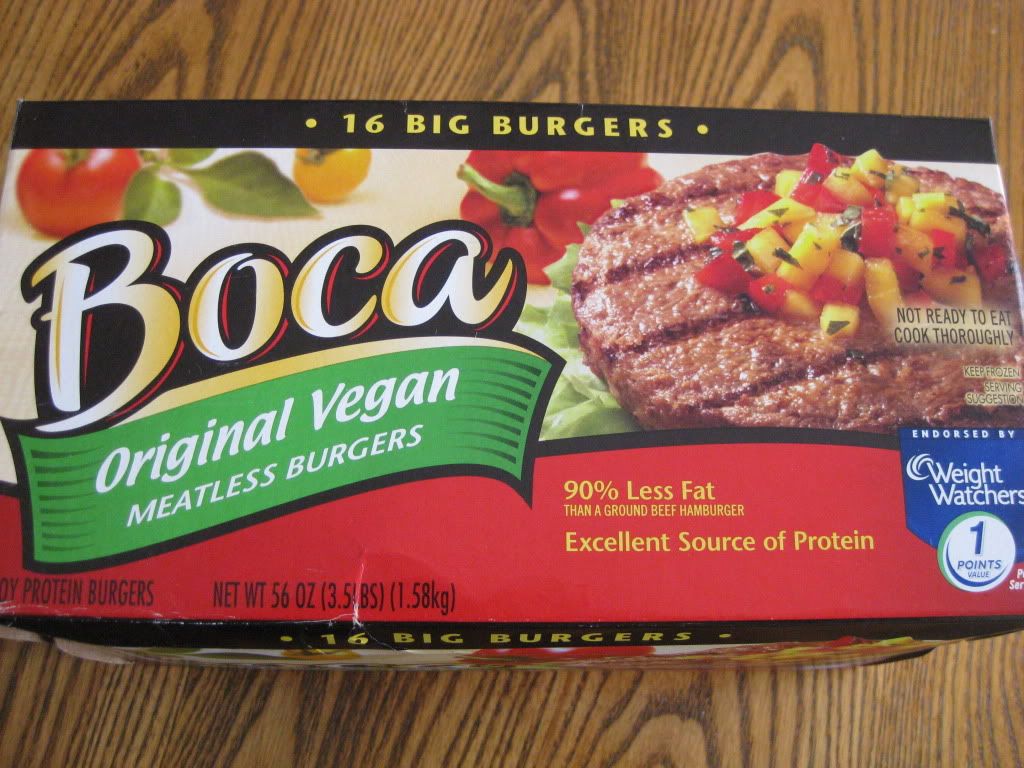
Boca Burgers, Chik'N Nuggets, and Corn Dogs, Chased by a Soy Latte: Healthy Options or Risky Choices?


Start your day with a bowl of Kashi GOLEAN cereal.  Twenty percent of your daily protein requirement.  Top with 1/2 c. of soy milk.

Starbuck's break.  Grande Vanilla Soy Latte.

Lunch on a Boca Burger with the works.  Steal a few fries from your friend's plate.

Grab a Luna Bar to fuel before your workout.

Dinner? Comfort food, millenium style.  Nuke some soy Chik'n Nuggets, barbecued ribs, or chili. 

Dessert? A bowl of soy ice cream.

A healthy day?  It's not like you're eating a quarter pounder or Haagen Dazs.  People in Japan and China eat lots of soy.  Incidences of breast cancer and other western diseases are lower there, right?

Well, yes.  And no. 

See, the traditional Asian diet includes small amounts of fermented soy from sources like miso, tempeh, soy sauce.  More infrequent servings of tofu or edamame, those fuzzy green pods you snack on at the sushi bar.  Not the ubiquitous amounts of processed soy that has made its way into our food supply. 

Soy protein isolates, TVP or texturized vegetable protein, and soy derivatives are present in over sixty percent of the processed foods found in the typical grocery cart. 

Soy is big business. Between 1996 and 2006, soy has gone from a $300 million to $ 4 billion industry.  Our goverment, through the Farm Bill, subsidizes soy crops, making soy a cheap source of protein, oils, and even animal feed.  The company that produces Boca Burgers is now owned by Kraft Foods.  Or more specifically, the Oscar Meyer division.  As in B-o-l-o-g-n-a.  The proud inventor of the nutritional nightmare, Lunchables. 

The commodity and food corporation PR machine relied on pseudo-science to convince us soy isaflavones and phytoestrogens protect us against breast cancer and other diseases. 

Is soy a safe and health-promoting substitute for meat and dairy?  I'll give you the scoop. 

Just two glasses of soy milk a day can cause disruptions to the menstrual cycle. 

The Israeli Health Ministry issued an advisory against infant soy formula and the use of soy products for children under 18.  Australia and other countries have followed suit.

Soy's disruption of hormones, specifically estrogen, testosterone, and thyroid hormones, is particularly dangerous during infancy and puberty.  Because of infant's low body weight and other factors, soy formula provides the infant with as the effect of estrogen in five birth control pills.  The tremendous increase of soy in the typical American diet has been suspected of lowering the age of puberty due to hormone disruption in both girls and boys. 

According to OncoLink, the website of the University of Pennsylvania's Abramson Cancer Center, breast cancer survivors should limit soy intake to three or fewer servings daily.  The concentrated levels of isolflavones in processed soy, protein powder, and supplements may fuel the growth of breast cancer cells and may interfere with the effectiveness of drugs like Tamoxifen. 

In addition to isoflavones, processed soy contains a number of other potentially harmful substances.

Glyphosate: Or Roundup.  Toxic weed killer.  Over ninety percent of non-organic soy crops in the US are genetically modified to withstand high amounts of herbicides and pesticides.  Animal studies and statistics have linked GMO crops to an increase in a number of health conditions from dietary problems to autism, infertility, cancer, autoimmune diseases, and a number of other health problems.

Phytic Acid: Interferes with absorption of calcium, magnesium, copper, and zinc.

Trypsin Inhibitors: May cause problems with protein digestion and pancreatic issues.

Goitregens: Interferes with thyroid hormones, possibly linked to hypothyroidism and thyroid cancer. In infants, may be associated with autoimmune thyroid disease.

Hemagglutinin: May cause changes in red blood cells, which can interfere with oxygen absorption.

Synthetic Vitamin D: Soy milk is generally forified with the toxic Vitamin D2.  The synthetic Vitamin D increases the required amount of Vitamin D needed to promote health.  Many Americans are deficient in Vitamin D due to decreased exposure to the sun, in part due to increase use of sunscreen.

B 12: The B12 present in soy products is not absorbed by the body, increasing the required amount required for optimal health.  Many vegans with soy-based diet are B12 deficient.

Protein Denaturing: High temperatures present in soy processing create toxins such as lysinoalinine and nitrosamines.  Nitrosamines or nitrites are a highly carcinogenic compound found in processed meats.

MSG: Commonly associated with Chinese food, MSG is a neurotoxin linked with many medical problems in those who with a sensitivity.  MSG is a byproduct of soy processing.  Additional MSG is added to processed faux meat products to mask soy's taste.

Aluminum and Manganese: High levels of aluminum in soy left over from the processing are toxic to kidneys and the nervous system.  Manganese is associated with metabolic problems in infants.

The bottom line?  Avoid soy in its processed state.  The further foods appear from their natural state, the more processed they are. Fortifying processed food to return some of the nutrients found in the natural state does not positively impact health.

Filll your plate with a variety of vegetables and fruits, lean proteins.  If you're a vegetarian, choose protein sources like legumes, seeds, eggs, and dairy. 

A health coach can help you develop and follow the optimal diet for your body type and needs.  Contact me at info@bethckramer.com.


Tuesday, July 9, 2013

French Fries of Summers Past: Seasonal Food Cravings

That tangy and smokey whiff of barbecued chicken wafting from your neighbor's grill.  A thick, juicy cheeseburger with a slice of tomato, avocado, and Thousand Island on a pillowy bun.  Corn on the cob, dripping with butter.  This year's fried favorite from the county fair.  A double scoop of your favorite flavors dripping down the cone or a chocolate-covered treat from the Good Humor Man, if they still exist!

Summer brings nature's bounty of fruits and vegetables.  That perfect peach or handful of cherries.  A tomato fresh from the vine.  Watermelon juice dribbling down your chin.

Along with the variety of fruits and vegetables, summer's less healthy temptations lure us with memories of carefree days spent at the beach, pool, or lake.

For me, the smell of french fries brings me back to an afternoon treat at Preakness Valley Swim Club.  Flank steak on the grill reminds me of family barbecues.  What's your favorite summer treat?

Whether during  the dog days of summer or the Thanksgiving through New Year's feasting season, you can fit in indulgences while still fitting into your skinny jeans.  A number of dietary studies point to overly restrictive dieting leading to binges.  Anyone who has ever followed up an extreme weight loss diet with a pint of Ben & Jerry's, pan of brownies, or pizza with everything can attest to that.

So, this summer, enjoy that hot dog or burger and a beer at a friend's barbecue.  Choose a kids size scoop of your favorite ice cream.  Balance your favorite indulgences with plenty of salad, lean protein, and a piece of summer fruit. 

If you're caught in a diet/binge cycle, working with a health coach can help.  Contact me at info@bethckramer to set up a consultation.